

Composite Railing: The Smart, Elegant, Stress-Free Way to Frame Your View
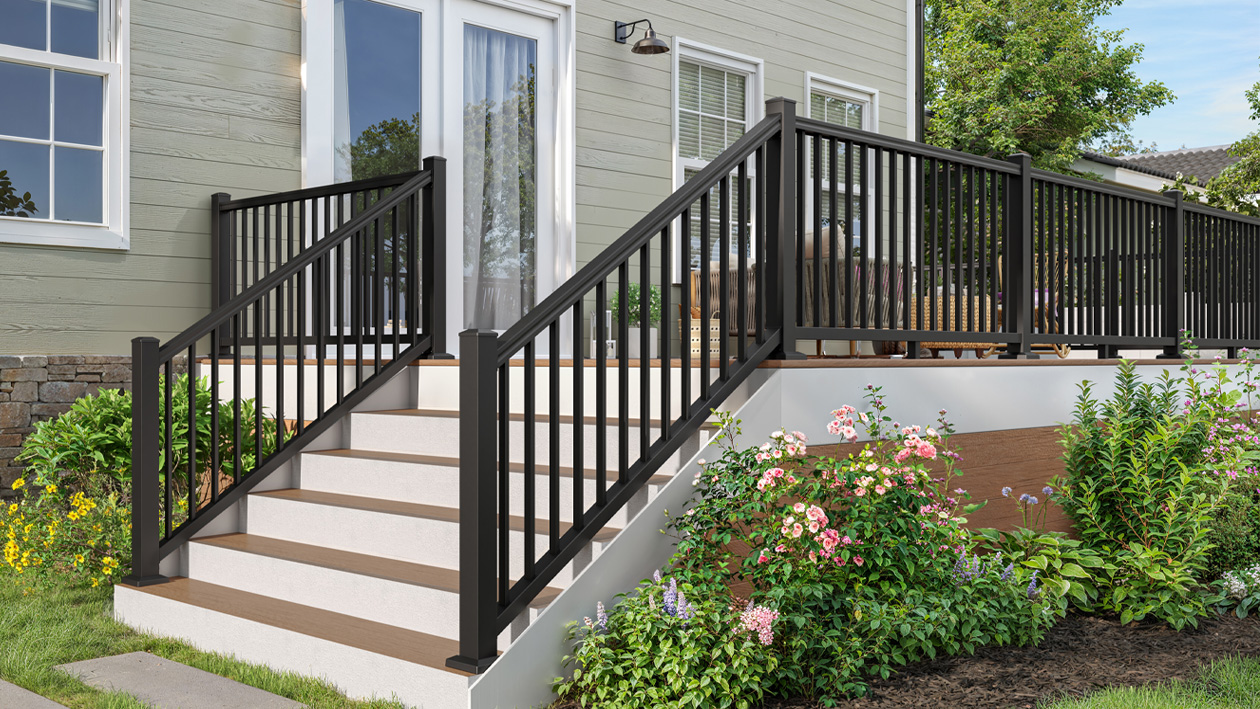
In the world of composite deck railing, RDI Railing Composicore® resides in a class all its own. Backed by years of lab and field testing, our proprietary high-tech composite formula is the best choice when you want the look of painted wood rails or aluminum rails at a higher performing, longer-lasting value.
Zero Wood Fiber Fill
While other composite railing brands use up to 60% uncapped wood fibers in their blend, our Composicore® railing formula relies on ultra-durable synthetic polymers rather than organic wood fibers to strengthen the railing to its core. This elimination of wood fibers guarantees our composite railing profiles will never soak up water nor retain it.
More Fun, Less Upkeep
RDI Railing composite deck railing guarantees you’ll enjoy spending more quality time on the patio and worry less about how to maintain it. Composicore rails are highly resistant to damage from mold and mildew, nor will they stain, crack, split or peel. Extensive third-party testing ensures the colors remain vivid and resist fading in the sun. Forget the paint brush, stain cloth, sanding block and enjoy the good times outside.
Real Long-Term Value
Of the many benefits RDI Railing composite profiles offer, the long-term value outweighs the cost of installing cheaper, lesser quality railings. Traditional wood railings eventually need repair and replacement every few years, costing you time and money. When comparing our Fusion composite railing to aluminum, no other railing offers our ground-breaking AlumiCast™ Technology that features the look of aluminum with the strength and value of Composicore. Innovative engineering and multiple patents ensure the beauty of every RDI Railing composite profile endures for years.
Multiple Price Points and Customization
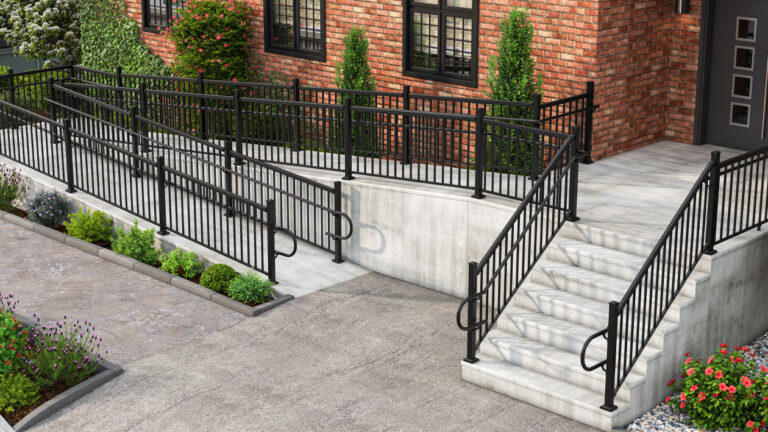
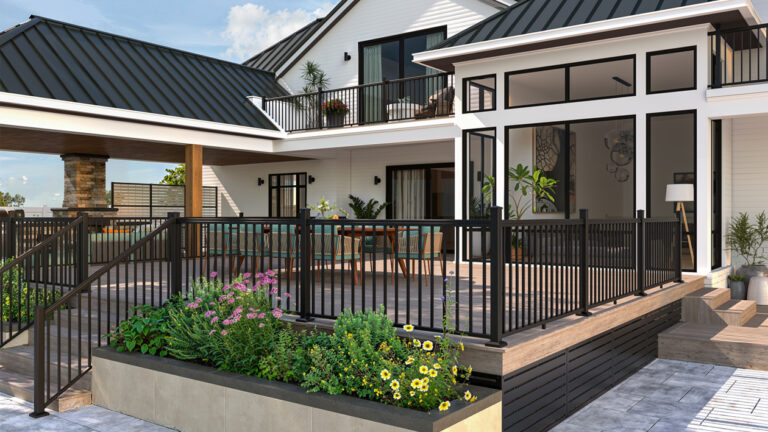
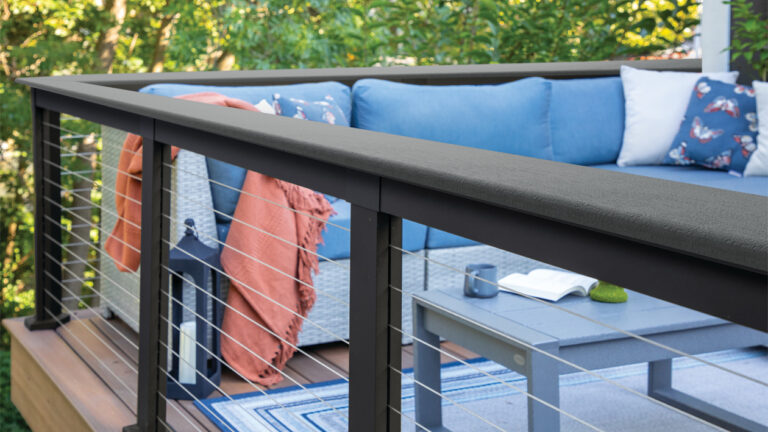
Our diverse composite railing collections offer stylish options to fit every budget. Create a look all your own by choosing what type of finish you want — whether you’re seeking the look of finely grained, painted wood or matte black aluminum. Then select top rails and unique infill panels like cabling, aluminum balusters and other styles. Finesse your railing with lighting, gates, ADA handrails and more.
Check out the options:
- Overlook™ Composite Railing: Stylish architectural black finish for a striking, modern look.
- Bella Premier Composite Railing: Ultra-fast assembly and a durable smooth finish offers a clean, refined look.
- Fusion Composite Railing: The bold look of aluminum with the strength and value of composite.
- Transform® Composite Railing: Lightly-textured protective acrylic cap provides the look of painted wood.
Game for Any Climate
Wherever you live and whatever the weather, RDI composite railing enhances your outdoor areas through the seasons. Our high-tech composite railing holds up against relentless rain, balmy humidity and intense salt air.
Code-Compliant
Engineered to meet or exceed the demands of any municipality, RDI Railing’s composite railing solutions satisfy code requirements, delivering stylish design backed by reliable safety and performance.
Industry-Leading Warranty
Every RDI Railing composite profile is protected by a Transferable Limited Lifetime Warranty—a major plus if you choose to sell your home.
There are multiple benefits in choosing RDI Railing’s composite rails as replacements for existing patios, decks and balconies, or for new home builds. Explore the many ways RDI Railing brings your outdoor space to life by locating an experienced railing contractor to install the right composite railing for you.
Related Content
-

Choosing an ADA Handrail: Considerations and Material Options
When an outdoor space calls for a safety handrail, high-quality options from RDI Railing offer …
-

The Best Railing Ideas for Pet Owners
If you’re a pet owner with a patio, porch or deck, the outdoor space isn’t …
-
10 Stylish Railing Trends for Your Outdoor Space
If you’re seeking inspiration for a decking project or patio remodel, considering what style best …
-
Who’s Ready for a Cocktail Rail?
If you love to host sunset happy hours, dance parties under the stars and impromptu …